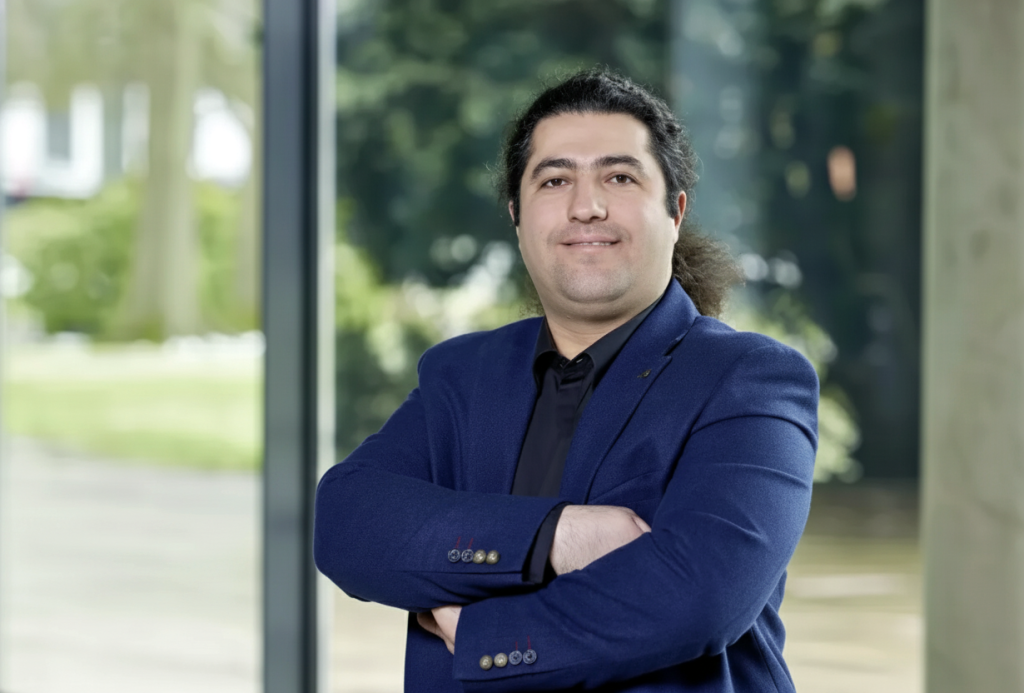
Dr. Amir Jahanian Najafabadi is a prominent researcher and lecturer specializing in Interdisciplinary Neuroscience, Clinical Neuropsychology, and Cognitive Science residing in Germany. He currently serves as a senior Postdoctoral Researcher and Lecturer in the Department of Cognitive Neuroscience at Bielefeld University, Germany.
Dr. Jahanian Najafabadi obtained his B.Sc. in Psychology and Education of Children with Special Needs from the University of Isfahan, Iran. He later completed his M.Sc. in Educational Psychology at Shiraz University, where his research focused on the application of neurofeedback training to cognitive functions such as problem-solving, attention, and reaction time in healthy school-aged children.
Dr. Jahanian Najafabadi also holds a postgraduate Diploma in Psychology and Clinical Neuroscience from the Faculty of Psychology and Educational Sciences and the Faculty of Medicine at the University of Porto, Portugal. During this training, he specialized in quantitative electroencephalography (qEEG) and sLORETA-guided neurofeedback interventions, with a particular focus on the neurophysiological mechanisms and treatment of primary insomnia.

Dr. Jahanian Najafabadi completed his PhD in Neuroscience at Constructor University in Bremen, Germany. His doctoral research examined the minimal self in healthy aging as part of the DFG-funded Priority Programme The Active Self (SPP 2134, 2018–2025). Within this framework, he investigated body extension in augmented reality, focusing on the behavioral and neural correlates of body-schema plasticity during virtual tool-use training in young and older adults.
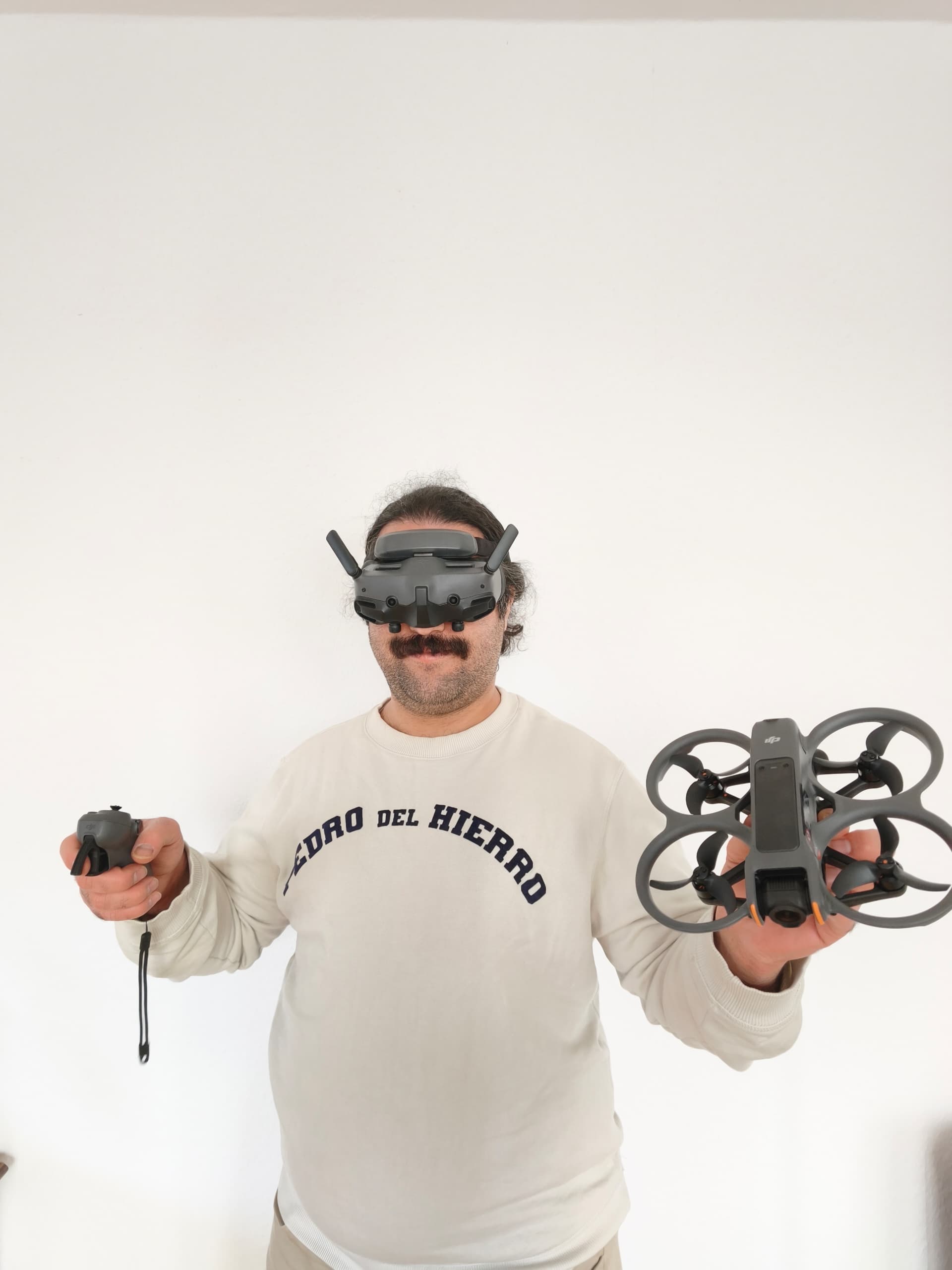
Dr. Amir Jahanian Najafabadi is a Postdoctoral Researcher and Lecturer in the Department of Cognitive Neuroscience at Bielefeld University, Germany, and founder of the Interdisciplinary Neuroscience Society at Constructor University. His research examines how the body, space, and time interact to shape human perception and action. Using tool-use, reaching, grasping, virtual reality, and augmented reality paradigms, he investigates the plasticity of the human self across the lifespan, with a particular focus on body ownership, agency, time, and spatial perception. These projects are supported by DFG, BIAL, and funding received from Bielefeld University. He also studies remote embodiment during remote tools such as drone operation, including its neurophysiological signatures and oculomotor correlates. This work is supported by projects funded through the Bielefeld Young Researchers Fund and the Faculty of Biology at Bielefeld University. In addition, he applies machine learning and deep learning methods to neurophysiological data to better understand neuropsychiatric conditions, including major depressive disorder, anxiety, obsessive-compulsive disorder, autism spectrum disorder, and attention-deficit/hyperactivity disorder. Dr. Jahanian Najafabadi is an active member of international scientific communities, including the Federation of European Neuroscience Societies, Neural Control of Movements, and European Cognitive and Affective Neuroscience Societies.
Scientific Memberships